ABA Visiting Scholar: Marija Čolić, PhD, BCBA-D, LBA
-
Location:Foege Auditorium UW Seattle Campus & Zoom
Every year, the UW ABA program invites a scholar from another university or part of the country who we believe is doing exciting or thought-provoking work in Applied Behavior Analysis to come visit our program. The scholar meets with faculty, talks with students, and showcases their own scholarly work through a presentation to both students and BCBAs from the broader Puget Sound community.
Three BACB CEUs available: $40
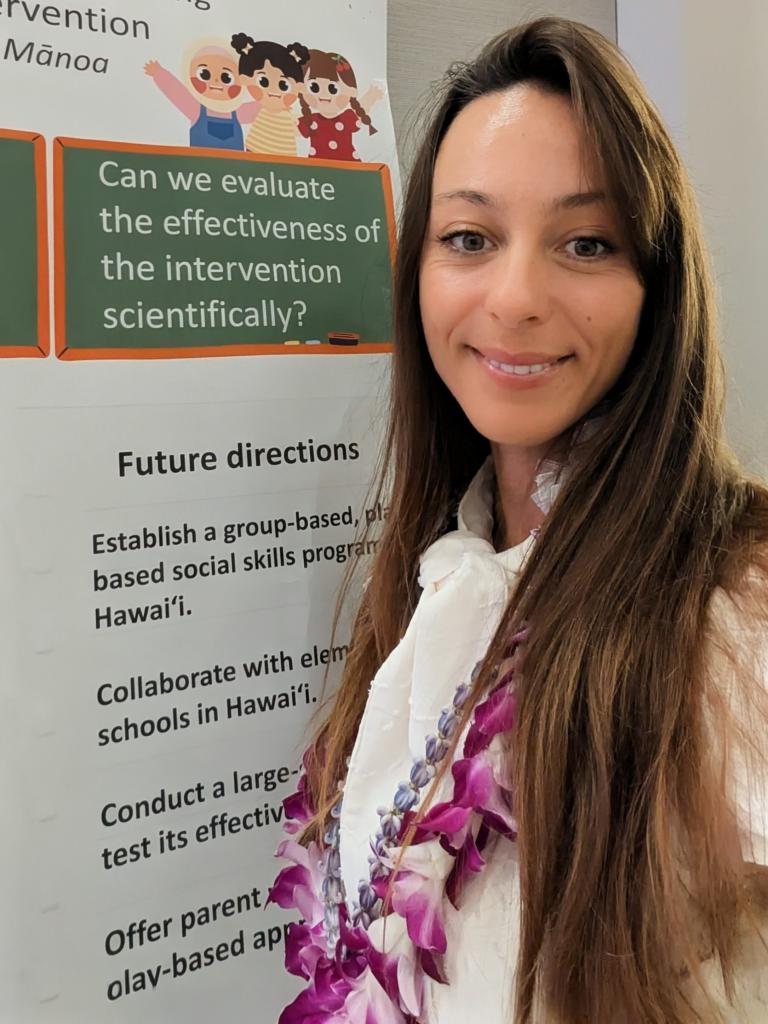
This year, we are glad to have Dr. Marija Čolić with us on April 4th, 2026 to present Inclusive ABA in Action - Centering Culture, Lived Experience, Stigma-Informed Practice.
Dr. Marija Čolić, Ph.D., BCBA-D, LBA, earned her master's in psychology and Ph.D. in special education from the University of Belgrade, Serbia. With over 15 years of experience working with autistic individuals, she has been active in the field of behavior analysis since 2014. Currently, Marija teaches at the University of Hawaiʻi at Mānoa on the beautiful island of Oahu.
Marija has contributed to the ABA field through multiple articles on family stigma and the cultural aspects of behavior analysis in leading journals. Since May 2020, she has been hosting free webinars for Serbian parents of children with disabilities and professionals on ABA. Her primary research interests include exploring stigma among families of individuals with disabilities and developing ways to support parents. She is also the principal investigator in exploring play among autistic children using a neurodiversity-affirming approach. Marija is an active member of several non-profit organizations, including the Hawai'i Association for Behavior Analysis and Parents for Public Schools Hawaii.
Beyond her academic pursuits, Marija is passionate about surfing, the ocean, and marine life.
Inclusive ABA in Action - Centering Culture, Lived Experience, Stigma-Informed Practice
Stigma has been shown to detrimentally affect the quality of life of neurodivergent individuals and their families, yet it has received relatively limited attention within the field of ABA. This talk will examine the negative effects of stigma on service access and overall well-being and explore how ABA practitioners can mitigate it through stigma-informed, ethically grounded practice. We will also discuss the role of culture in ABA and consider practical strategies for supporting immigrant families of neurodivergent children in ways that are culturally responsive, respectful, and collaborative. Ultimately, this presentation emphasizes that ABA is more than a set of behavioral principles. Because many ABA practitioners serve neurodivergent and disabled individuals and their families, our work must be person-centered—done with and for individuals, not simply applied to them.